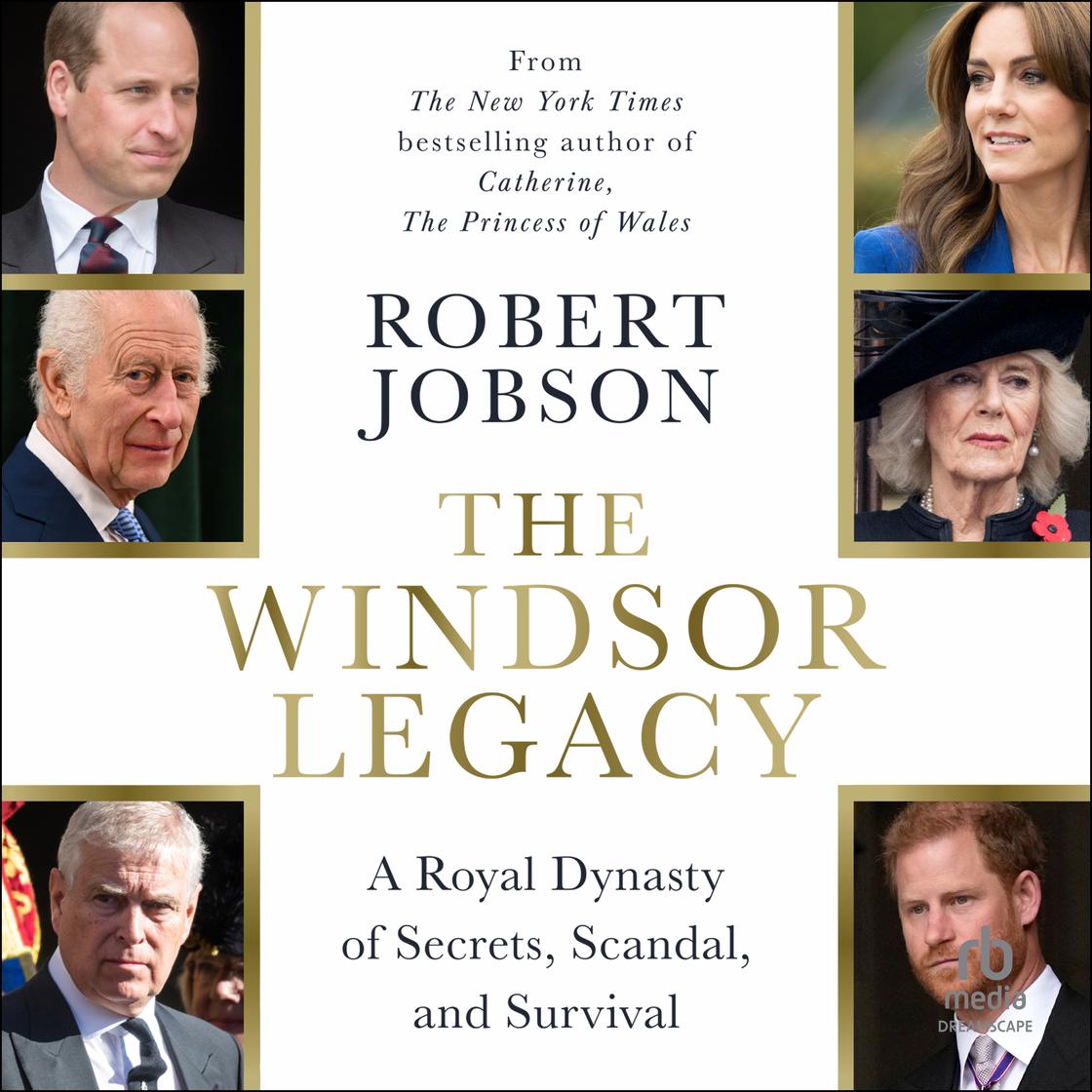
As Robert Jobson notes in The Windsor Legacy, as an institution the British monarchy is in a peculiar position. It’s constantly being criticized for being expensive and out-of-date — and yet a clear majority of Britons want to keep it around.
Presumably that majority includes the royals themselves, but the more you learn about the Windsors’ lives, the more you wonder about that. The job carries a lot of responsibility with very little official power, even over the circumstances of the royals’ own lives.
It also brings one of the world’s most toxic forms of fame, with an entire industry dedicated to dissecting the royal family’s every foible — a level of scrutiny the royals are pressured not only to accept but embrace, given that their lavish lives are taxpayer-subsidized.
While The Windsor Legacy is fundamentally a concise history of the British monarchy since 1917, it’s also a reflection on the changing place of that institution in a world that has been transformed. If you’re looking for a quick listen before you visit Buckingham Palace, this audiobook is just the thing.
Jobson’s book covers much of the same ground explored in The Crown, making that series an apt companion piece. Though this doesn’t highlight this fact, his book also serves as a reality check regarding some of that show’s creative liberties. Jobson more pointedly interrogates the version of recent events the Duchess and, particularly, Duke of Sussex have been offering.
While much of the history concerns the long reign of Queen Elizabeth II, it’s her son King Charles whose life Jobson seems most interested in exploring. As the sitting monarch, but one who took the throne late in life and is facing serious health challenges, Charles is a poignant figure.
The Windsor Legacy is not disrespectful to his late ex-wife Diana, but it’s also decidedly not part of the Princess of Wales worship industry. Jobson repeatedly mentions Diana’s mercurial nature, which he argues both her sons inherited to some extent. He points out that Camilla married Charles’s rival, leaving the latter pressured to marry and produce an offspring even though he was still smitten with the off-limits love of his life.
By the book’s end, Charles appears as both a relic and a forward-thinking change agent. Jobson also tempers expectations for the coming reign of his son William, who remains extraordinarily popular but who also — Jobson suggests — pays a little too much attention to his his duchy’s finances and not enough attention to the taxpayers who would like to see more of him.
The audiobook is narrated by Charles Armstrong in a gloriously British accent: I have never heard a less Midwestern pronunciation of “Missouri.” If I’m ever called upon to narrate an audiobook about American royalty, I hope the Brits enjoy my pronunciation of Prince’s home state.
Leave a Reply